


2nd floor, above Honda Big Wings, Sadaramangala Village, Whitefield Main Road, Bangalore 560066

10am–8pm, Tuesday Closed

info@neosculpt6.com
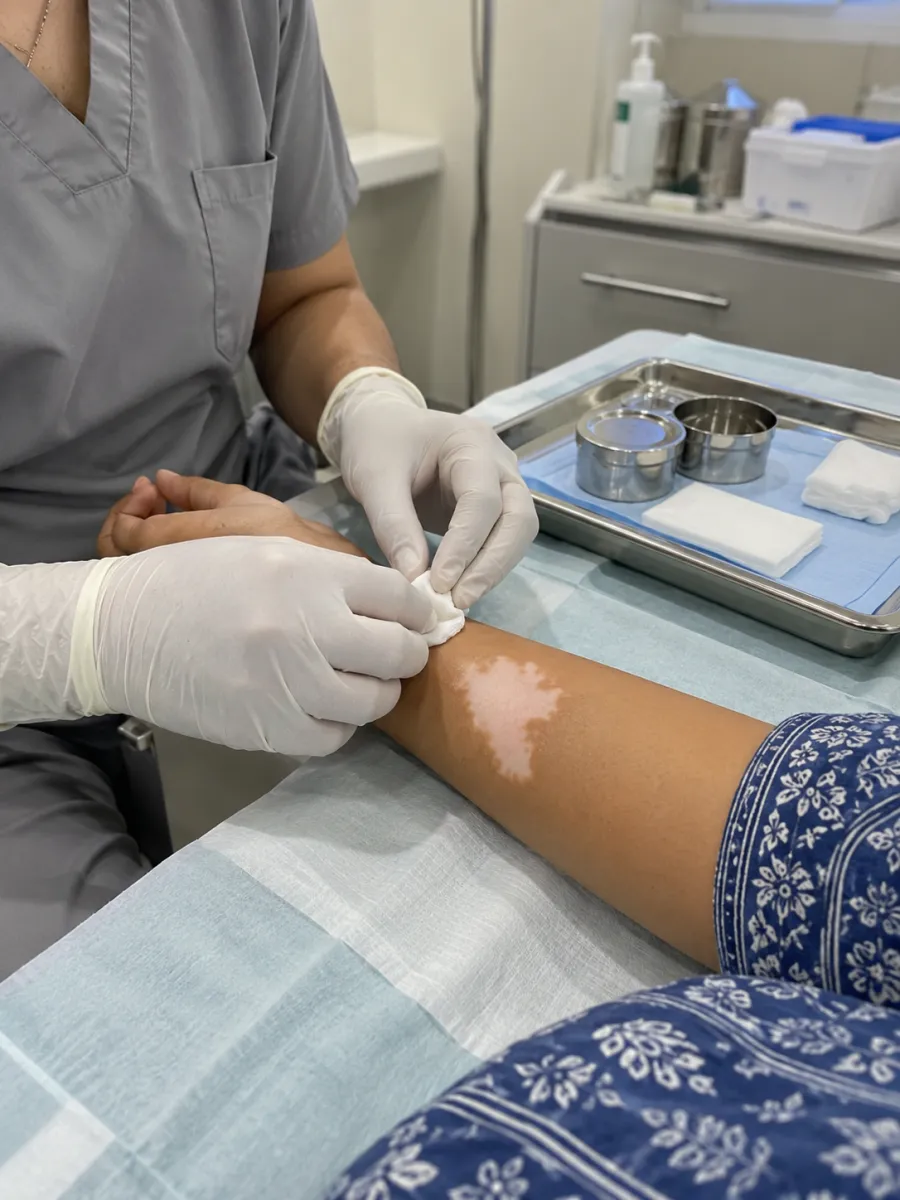
A clinician cleaning a vitiligo patch on a patient’s forearm

Melanocyte Transfer Surgery in Bangalore

NeoSculpt6 offers melanocyte transfer surgery for patients with stable vitiligo who want long-term pigment restoration. The procedure moves healthy pigment-producing cells to depigmented skin, with personalised planning, evaluation and long-term follow-up.

Need Help? Call Us · +91 99640 60483

What Is MELANOCYTE TRANSFER SURGERY?

Melanocyte transfer is a surgical vitiligo treatment in which pigment-producing cells are taken from a normally pigmented donor area and moved to prepared depigmented skin. It is generally considered for selected patients with stable vitiligo once the clinician confirms the disease is not progressing and the site is suitable.

The transferred cells can produce melanin over time, so repigmentation is gradual and the colour match varies. The procedure does not replace medical treatment for active vitiligo and cannot guarantee complete or permanent repigmentation.

Plan Your Melanocyte Transfer Surgery Around Your Treatment Goals

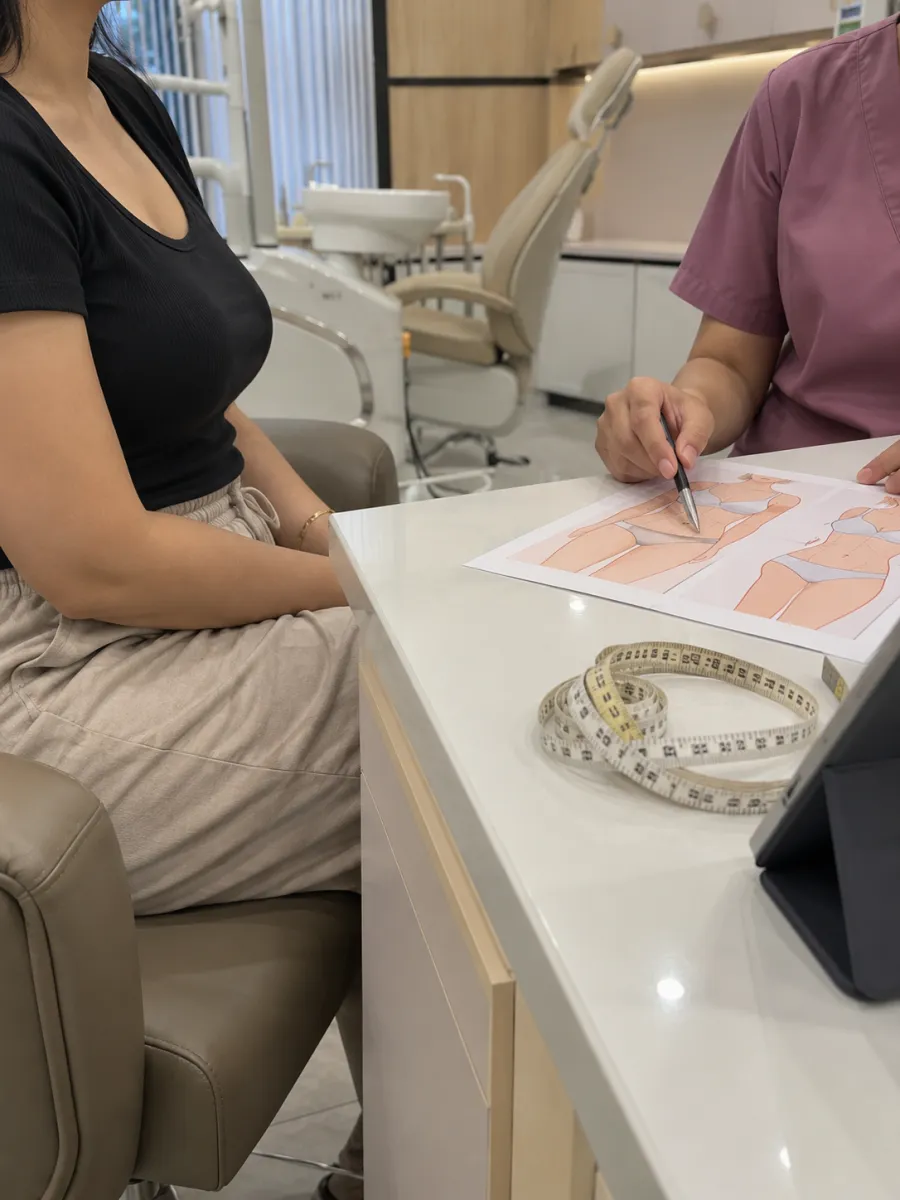
Your consultation matches your goals with what is clinically appropriate. The team reviews your concerns, suitability, treatment options, recovery, cost factors and follow-up needs before recommending a plan.

A surgeon explaining body diagrams to a woman across a consultation desk

Watch the Explanation

Vitiligo Surgery | Melanocyte Transplantation Surgery

Watch on YouTube (opens in a new tab)

Why Choose NeoSculpt6 for Melanocyte Transfer Surgery in Bangalore?

Melanocyte Transfer Surgery is planned around diagnosis, stability, suitability and realistic expectations for skin response.

  • Stable-Vitiligo Patient Selection

    Considered only for patients with clinically stable vitiligo. Disease activity, treatment area and previous response are assessed before surgery is advised.

  • Experienced Surgical Vitiligo Assessment

    The clinician evaluates the depigmented area, donor skin and overall vitiligo pattern. Surgery is not a substitute for controlling actively spreading disease.

  • Cell-Based Pigment Restoration

    A thin sample of normally pigmented skin is processed into a melanocyte-rich suspension, then transferred to the prepared depigmented area.

  • Personalised Treatment Planning

    Treatment area, skin characteristics, donor-site factors and realistic outcomes are reviewed, tailored to each individual.

  • Prepared Recipient-Site Technique

    The depigmented area is prepared before the cell suspension is applied; careful handling of donor and recipient sites supports healing.

  • Realistic Repigmentation Expectations

    Pigment returns gradually, and colour match varies by patient and body site. Exact or complete repigmentation cannot be promised in advance.

  • Structured Follow-Up

    Follow-up monitors donor and recipient site healing and the gradual pigment response, with additional vitiligo management when appropriate.

OUR PROCESS

Our Melanocyte Transfer Surgery Process

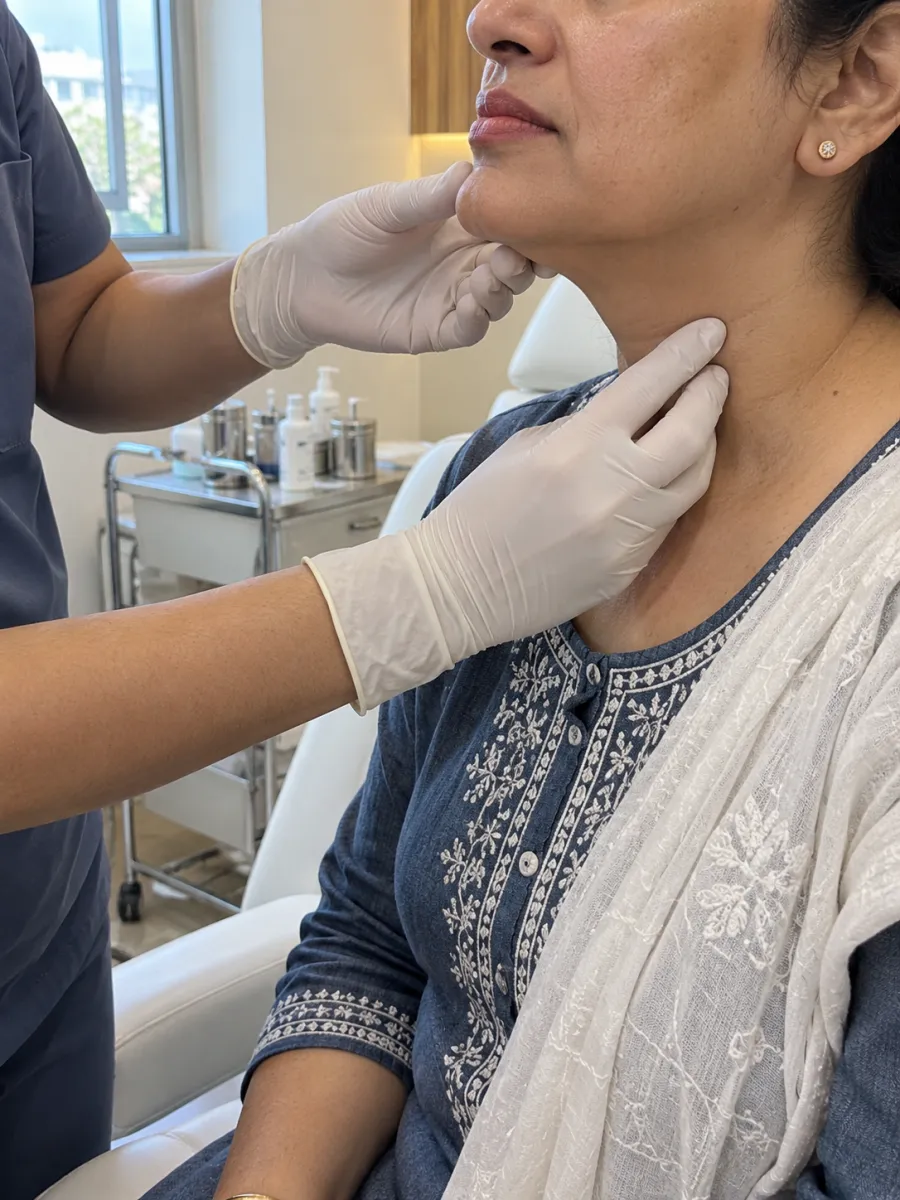
The clinician confirms disease stability and reviews whether surgery is appropriate.

A surgeon assessing the jawline and neck of a seated woman
A doctor marking a woman’s eyelid area while she holds a hand mirror

Who Can Benefit from Melanocyte Transfer Surgery?

  • Patients with Stable Vitiligo

    Intended for patients whose disease has stayed clinically stable for an appropriate period.

  • Patients with Localised Depigmented Areas

    Selected limited patches may be suitable when location, size and skin condition support surgery.

  • Patients with Segmental Vitiligo

    Some patients with stable segmental disease may be considered for surgical pigment restoration.

  • Patients with Limited Response to Medical Treatment

    Surgery may be discussed when stable depigmented areas have not repigmented adequately with non-surgical treatment.

  • Patients with Suitable Donor Skin

    Requires an appropriate normally pigmented donor site and healthy recipient skin.

Melanocyte Transfer Surgery is planned around diagnosis, stability, suitability and realistic expectations for skin response.

Our Doctors

Board-Certified Team

Dr Sandeep Mahapatra in a white clinical coat at NeoSculpt6

Dr Sandeep Mahapatra

Senior Consultant Dermatologist, Cosmetic Expert & Hair Transplant Surgeon

Meet Dr. Sandeep

Melanocyte transfer should only be considered after a thorough consultation covering vitiligo stability, the treatment area, previous management and the patient's expectations. The focus is whether surgical pigment restoration suits the individual. Repigmentation develops gradually and varies by body site and person. Treatment planning, safety, donor and recipient aftercare and structured follow-up should be clear before any decision is made.

  • MBBS
  • MD (Dermatology, Venereology & Leprosy)

Technology & Infrastructure

Melanocyte transfer requires careful assessment, sterile technique and appropriate handling of donor and recipient tissue.

  • Vitiligo Assessment

    Clinical review confirms stability and treatment-site suitability.

  • Pigment Cell Processing

    Cell preparation follows the selected transfer technique.

  • Sterile Procedure Setup

    Donor and recipient areas are treated in an appropriate sterile environment.

  • Recipient-Site Preparation

    Controlled preparation of the depigmented area supports cell placement.

  • Follow-Up Documentation

    Serial photography and reviews help monitor gradual repigmentation.

Melanocyte Transfer Surgery Cost and Consultation in Bangalore

Cost depends on treatment area, procedure complexity and the donor and recipient preparation required.

  1. Size of Treatment Area

    Larger depigmented areas need more extensive preparation and cell transfer.

  2. Number of Areas

    Treating several separate patches can increase procedure time and complexity.

  3. Donor-Site Requirements

    The donor area and amount of tissue needed affect planning.

  4. Procedure Technique

    Different pigment-transfer methods involve different resources.

  5. Additional Treatment

    Phototherapy or other supportive treatment may be recommended as part of the wider plan.

Success Stories

Rated 4.8 on Google from 1,042 reviews of Neo Follicle

  • “I am having excimer laser treatment for the hypopigmentation post burn ..seen visible results. The staff is also supportive and patient .overall a satisfactory improvement”

    Deepa K.Excimer LaserGoogle review · Derma Solutions
  • “Highly recommend Dr sandeep for all types of hair and skin related medical conditions as well as aesthetic treatments. His extensive knowledge across various medical fields enables him to diagnose conditions with great precision and provides highly targeted treatment. This approach has significantly contributed to faster recovery and excellent results.”

    Suchitra T.Skin, Hair & Aesthetic CareGoogle review · Neo Follicle
  • “Had a very good experience with the doctor for my hair treatment. The doctor took the time to understand my concerns and suggested a treatment plan based on my actual needs. I got good results from the treatment. What I appreciated the most was the honest approach, he never recommended unnecessary or expensive procedures and only advised treatments that were genuinely needed. I would definitely recommend him to anyone looking for trustworthy and effective hair treatment.”

    Pravat K.Hair TreatmentGoogle review · Derma Solutions

Have a Question?

FAQs About Melanocyte Transfer Surgery

It is generally considered for selected patients with stable vitiligo who meet clinical suitability criteria.

The NeoSculpt6 reception: a marble front desk under the NeoSculpt 6 logo, with sofas and plants

Discuss Melanocyte Transfer

If your vitiligo has been stable, an assessment can determine whether surgical pigment restoration suits the location and pattern of your patches.

Call +91 99640 60483